Tuesday, 8 September 2015

Home Remedies for Stopping Bedwetting

Wetting the bed can be an embarrassing issue among kids, but it's actually very common.Bedwetting can damage the child's self-image and confidence. The best way to prevent this is to be supportive. Parents should reassure the child that bedwetting is a common problem that has a strong genetic component and that they are confident that the child will overcome the problem.


Causes
  • Comparatively smaller bladder
  • Imbalance of hormones
  • Stress
  • Infection of urinary tract
  • Acute constipation
  • Excessive production of urine

Home Remedies for Bedwetting
1. Cinnamon : Cinnamon powder is one of the most effective ways that can make your child stop wetting the bed at night. Make your child chew cinnamon bark once in a day

2. Indian Gooseberries : Indian gooseberries, popularly known as amla, are extremely helpful in treating the problem of bedwetting in your child. Crush gooseberries and pour some honey over them and sprinkle a pinch of turmeric. Serve it in breakfast to your child.

3. Olive Oil :  Heat some olive oil and gently rub it on the lower abdomen of your child, massaging gently over and around the lower abdomen. The heating effect will restrain the urination by your child in bed, during the night.

4. Walnuts and Raisins : Children enjoy eating dry fruits and nuts as a snack. Give a handful of walnuts and raisins to your child before he/she is heading to sleep and continue to do so for a few months.

5. Honey :  Give a tablespoon of honey to your child, every night. You can even put a tablespoon of honey in his/her glass of milk, instead of sugar, to cure the ailment.

6. Banana : Feed your kid 2-3 bananas, each day. It will help you to treat the problem of bedwetting in your child.


Tips to Prevent Bedwetting

The below given preventive measures will help your child to stop wetting the bed.
  • Avoid giving fluid to your child during the night, especially before bedtime.
  • Make it a habit of your child to go to the bathroom before sleeping.
  • Reward your child or appreciate him/her with something for being dry whole night.
  • Ask your kid after an interval of time if he/she wants to go to the bathroom for passing the urine.
  • Make sure the child has easy access to the toilet.
  • Monitor your child’s bowel movements. Constipation can interfere with the complete and efficient emptying of the bladder.

Tuesday, 1 September 2015

Home Remedies for Ear Pain

Ear infections are the second most common illness of childhood behind colds.There may be no common pain worse than an earache.
There are many possible causes for an earache. Cavities, sinus infections, earwax, tonsillitis, and teeth grinding are some of the most common.
Other causes include the common cold, wax in the ear, blockage in the nasal passage, physical damage to the inside of the ear, an increase in air pressure and so on. Earaches occur more commonly among small children than adults.


Simple earache can be taken care of easily at home with natural remedies.Here are some

1. Olive Oil
Olive oil can provide fast relief from an earache. It serves as a lubricant and helps get rid of an infection in the ear. Olive oil can also be helpful in stopping buzzing sensations inside the ears.
  • Put 3-4 drops of lukewarm olive oil as ear drops into the ear canal.

2. GARLIC.


Antibiotic properties of garlic can help reduce earache caused by an ear infection.
  • Heat one teaspoon of minced garlic in two tablespoons of sesame oil. Cool and filter the oil. Put 2-3 drops of this garlic oil in the aching ear.
  • Another option is to extract the juice out of a few cloves of garlic and put it into the ear that hurts.

3. HOT COMPRESSES.


Putting moist heat around an infected ear can work as a great pain reliever. Simply wrap a hot water bottle in a towel and press it against the aching ear for a few minutes.

4. 
Onion.

Onion is one of the most readily available home remedies for an earache. The antiseptic and antibacterial properties in onions work well in treating the problem.
  • Extract one tablespoon of onion juice from grated onions and heat it over low heat. Then put 2-3 drops of the juice into affected ear 2-3 times a day.
  • Crush a fresh onion and wrap it tightly in a piece of clean cloth. Hold the cloth over the infected ear for about 5 to 10 minutes. Repeat the process several times a day.

5. BREAST MILK.

If you’re breastfeeding, breastfed babies have a much lower rate of ear infections than bottle fed infants, and even just a few drops of breast milk offer relief.


Keep in mind that none of these remedies are a replacement for a doctor’s advice. Always consult your physician if you suspect an ear infection.

Wednesday, 26 August 2015

How to control Childhood Obesity

Increasing cases of childhood obesity have become a major concern for parents all over the country.But Eating eight kind of food, along with exercising ,can tackle this issue to a great extent.


Together You can !

The best way to inculcate healthy habits in your children is to involve the entire family by increasing physical activities.How you can achieve it.....

  • Do what you preach.When your children realize that you are physically active  and having fun ,they would be more active and stay active for the rest of their lives.
  • Remember to plan family activities that provides everyone with exercise.So go for walking,biking or swimming together and let the kids know that it can be so much fun.
  • Many a time ,overweight children feel uncomfortable about participating in some activities .So be sensitive to your child's needs.As a parent , it is important to help your child find physical activities that they enjoy rather than making them do something that they find embarrassing or too difficult.
  • Make a conscious decision to reduce the amount of time you and your family spend on sedentary activities like watching TV,surfing  the Net or playing video games.

Monday, 17 August 2015

Things that should keep in mind during use of Diaper or Huggies


  • You can keep huggies/ diaper on baby for long time maybe for even 6-7 hours during daytime and rest depends on baby someday he pee little then other day so u can check after every one or two hours .

  • Choosing the Correct Size Huggies


    Diaper Size

    Age of Baby

    Small
    up to 1 year
    Medium
    1-3 years
    Large
    3-4 years
    Extra Large
    4-5 years


  • You shouldn't keep a wet diaper on a baby more than 2 hours at a time. Even if there is only a little urine. It can cause infection and a rash when it sits against the skin for a long time.
  • Investigating Huggies Size Options correctly according to the baby weight before buying huggies for baby.
  • As far as night time, if the baby sleeps thru the night and doesn't seem uncomfortable or get a rash, just change him/her in the morning immediately.
  • Always clean the area well with clear water after taking out Huggie.
  • For a newborn, you'd need to change it every two hours or when the baby wakes up.

Monday, 10 August 2015

How to overcome BreastFeeding Challenges

Yesterday I was going through a useful article in newspaper .So try to share that with all Moms and Moms-to-be. It is highly worth reading.


As you know from time restraints to lack of suitable services ,New moms who choose to breastfeed are faced with various challenges. Even we know breastfeeding has huge benefits for both baby and mother,but unfortunately ,in Today’s loud, demanding and fast moving world, finding the opportunity to breastfeed is not easy.

MORE TOUCH.MORE EYE CONTACT.MORE TIME TOGETHER.

- Breastfeeding within one hour of delivery.

- Skin to skin contact improves mother-infant interaction,bonding.

- Babies who are fed nothing but breast milk from birth through their first 6 months of life get the best start.

BREASTFEEDING IS SO MUCH MORE ! 

Here are some Tips to Breastfeeding Moms

AT HOME
Although having a whole new person living under roof may throw your old routines into chaos ,organization is the key to successful breastfeeding.If you try to multitask,your feed is likely to be slow,so try to dedicate time to it and make sure your baby takes as much milk as is needed.
When choosing a breast pump,remember that your comfort is very important. Whether a natural delivery  or a c-Sec, chances are would have a pain in your lower back. And pumping milk takes 15-20 mins .So Try to be relax,The more comfortable you are,the more milk you express.

AT WORK
Being a breastfeeding working mom is a challenge.It takes military organization to have the time at work.Here are three tips to express success.
  1.  Make sure you have quality ,comfortable breast pump, whether manual or electric.So Choose what works better for you.
  2. Ask your workplace if you can have a dedicated area to express in private and a freezer to store your milk.
  3. Just as at home,establishing a routine is key to making sure you’ve refrigerated your milk correctly and provided enough milk for your baby.
IN PUBLIC
Knowing that some people are uncomfortable with public breastfeeding puts most breastfeeding Moms in an awkward position when they choose to feed their baby outside their home.

There is simple solution;
Make sure you have a scarf,wrap or swaddle sheet on hand that you can drape over your shoulder.

Wednesday, 5 August 2015

How to train your Toddler for toothBrush

It is Good to brush your kid's teeth for nearly two years.But As he grows older he wants to do the same by himself.Here are few tips for parents who want to train their toddler for brushing.


  • Let your toddler pick the Brush. Take your toddler to the Shop and let him choose his own toothbrush and toothpaste. Let him pick the toothpaste too.Check the packaging for fluoride levels to make sure you're buying the right toothpaste for your baby.
  • Brush along with him. You should also brush your teeth with your toddler while he brushes his teeth. This activity will encourage him and he will do this with interest.Kids love to copy their parents.So he will notice the techniques of your brushing and try to apply the same.
  • Praise your child for brushing himself.
  • Don't force .Your child probably won’t be cleaning the teeth properly in starting days.Once the baby will get used to,he or she will learn the correct technique also.No need to force him.

Start cleaning your baby's teeth twice a day . If you start early, your baby will get used to having his teeth cleaned.

When you've finished, make sure your baby spits out the excess toothpaste.

Monday, 3 August 2015

Home Remedy to grow thick and healthy hair on your little one's head

These home remedies are easily obtained and are very easy to process. These helps to increase the length of hair and grow thick hair naturally .


Coconut milk

Massage coconut oil on her head and leave it on. After you wash her hair, put coconut oil on her hair and leave it until you wash her hair. Do it constantly.


Olive Oil

Since the first ancestor, olive oil has been believed to be efficacious treatments for hair care. Olive oil not only can smooth the hair, but it can increase the hair growth process.

Curd

Apply 2-3 spoons curd on baby's hair and leave it for 15-20 mins.Then wash the hair with baby soap.When done regularly, it can be seen significant results in hair growth.

Proper Diet

Give your kid proper diet for growing healthy hair.you ensure that your child gets all the major food groups, essential nutrients, and vitamins.

Thursday, 30 July 2015

Home Remedies for Loose Motions

Hydration – Remember feeding your child with the ORS in every 20 – 25 minutes. You can make the solution at home by mixing 8 tea spoons of sugar and 1 tea spoon of salt to 1 liter of water. 


Breastfeeding –If its a breastfed baby, breastfeed as and when the baby demands. It helps to restore the water lost from the body.

Diet – Infants who have started solid food can be given a mixture of carrot and banana. Soups in which sugar and salt are mixed should be given. You can give banana, rice, yogurt, buttermilk and small amount of apple juice.

Gripe Water – This is a certified remedy. Make sure the gripe water is certified and organic.


Lemonade - Lemon juice has anti inflammatory properties that will help in easily clearing the stomach. Extract the juice from one full lemon. Add 1 teaspoon of salt and a tablespoon of sugar to it. Mix it well.Now consume this lemonade every hour .

Pomegranate - Pomegranate is a fruit that will help in reducing the loose motion problems . It is very good in controlling loose motions.

Boiled potatoes - Eat Boiled potato.

Honey - Honey is a natural medicine and very effective in fighting loose stools.

No to Animal Milk - If the child is drinking animal milk, stopping milk for about 12 hours may be preferable.


Take Rest - If loose motion is due to food poisoning, then it is advisable that take complete rest.

Papaya - Raw papaya is found to be effective in treating loose motions. It will help in easing stomach pain as well as reduce stomach cramps.

Monday, 27 July 2015

How to Control Diarrhea Fortnight

 Following are the pictures which I clicked from newspaper as I found it very useful for parents.


Precautions :


Things to remember :


Tuesday, 21 July 2015

Home remedies for Constipation

Constipation in a toddler can be caused by:
  • not eating enough fibers diet or doesn’t include enough liquids (or both)
  • not drinking enough fluids
  • drinking too much milk and not enough water
  • lack of exercise and activity
  • Side effects of certain medications


Constipation Symptoms:
· Stomach pain and bloating
· Bleeding with bowel movements

Home remedies for Constipation
  • Fruit juice –You can give certain fruit juices to treat constipation. This includes prune, apple, or pear juice (other juices are not as helpful). 
  • Dark corn syrup – Dark corn syrup has been a folk remedy for constipation for hundreds of years. Dark corn syrup contains complex sugar proteins that keep water in the bowel movement. 
  • High-fiber foods – If your infant has started eating solid foods, you can substitute barley cereal for rice cereal. You can also offer other high-fiber fruits and vegetables .Also offer fruit juice with fibers.
  • Sat-EsabGol-Give 1-2 spoon sat-esabgol in warm milk.This will help in smooth bowel movement. 
  • Exercise your baby’s legs in cycling motion in between feeds. It will put pressure on the stomach and help the baby to expel gas.

WHEN TO CALL THE PEDIATRICIAN

  1. Call your child's doctor or nurse immediately (during the day or night) if your child has severe abdominal or rectal pain.
  2. You see blood in your child's bowel movement or diaper
  3. Your child has repeated episodes of constipation
  4. Your child complains of pain with bowel movements


Tuesday, 14 July 2015

Home remedies for Vomiting (1 year -3 year)


When your infant or young child is vomiting, keep her lying on her stomach or side as much as possible. Doing this will minimize the chances of her inhaling vomit into her upper airway and lungs.

Try the following home remedies to relieve from vomiting

1. ORS solution:-Do not give your baby plain water. Use an oral rehydration solution (ORS) .You can make it at home also.


Recipe for Making a 1 litre ORS solution using Sugar, Salt and Water

  • Clean Water - 1 litre - 5 cupfuls (each cup about 200 ml.)
  • Sugar - Six level teaspoons
  • Salt - Half level teaspoon
  • Stir the mixture till the sugar dissolves.
2. Mint:-Mix mint and suger(for taste) and make a solution to drink.Give3-4 spoons to child in every four hours.
3. No to milk:-Don’t give any milk product.
4. Lemon juice:- It is an effective home treatment for vomiting.
5. Rice water:- It helps to reduce vomiting.

When to Call the Pediatrician

  • Dehydration develops. Signs include your child being thirstier than usual and having less urine than usual.
  • Your child's vomiting does not get better.
  • Your child's symptoms become more severe or frequent.

Saturday, 11 July 2015

Home remedies for Gas Pain in Infants and Newborns

  • Burps
  • Gets fussy
  • Is bloated
  • Has cramps
  • Cries
  • Farts
  • Has a hard tummy
are the symptoms when Baby is suffering from Gas Discomfort.

Gas discomfort upsets baby to some degree and it affects both breast-fed and bottle-fed babies. While gas pain is common but particularly bothersome in newborns and young infants between one and four months of age, as their immature guts are developing.

Certain foods like spices, dairy products, pickles or soy or peanuts, eaten by lactating mothers can cause gas problems in infants. Babies suffer from stomach pain, sleeplessness and bloating due to gas formation.

Try the following home remedies to relieve pain and solve the problem of baby gas.

Gripe Water: For more than one hundred years, gripe water has been a trusted remedy to treat infant gas.

Burp: Burp The Baby After Every Feed.

Exercise: Exercise your baby’s legs in cycling motion in between feeds. It will put pressure on the stomach and help the baby to expel gas.

Asafoetida: Dissolve a pinch of asafoetida powder in 2 table spoon warm water and apply it around the baby’s navel
Mustard Oil

Mustard oil massage: helps to lubricate the abdominal muscles of the baby and stimulates their digestive system. Apply warm mustard oil around the baby’s navel.

Whistling: This is technique which old people were used and it is really effective to paas out gas.Touch your baby's navel with your lips tightly and blow air (Phoonk marna in hindi)by your mouth.It should create a sound.Repeat this 5-6 times in one go on baby's tummy.

When Should You Contact the doctor if your baby:


  1. Does not have bowel movements, has bloody stools, or vomits. 
  2. Has a fever. If your baby has a rectal temperature of 100.4 F or higher, a doctor needs to rule out infection. If your baby is under 3 months of age, take her to the doctor right away.

Wednesday, 8 July 2015

Home remedies for common cold and cough

It's miserable to watch your child suffer by colds she's likely to catch this year.Kids shouldn't use over-the-counter cold and cough medicine because of potentially dangerous side effects. 


So here I m writing few home remedies for Babies(0-12 months)

  • Rubbing warm mustard oil with a few garlic cloves in it on chest,under nose,back of feet and palm 
  • Boiling water with ajwain and few tulsi leaves and give 2-4 spoons in a day.
  • Mix little ginger in honey (1:2 ratio) and lick little drop with finger 2-3 times a day to your baby
  • U can roast ajwain on tava. Put it in a cloth and give touch on the chest, back, palms, feet of the baby. or  you can keep it near the nose so that baby can smell it. 
  • Dip finger in honey or take little honey on a spoon and make ur baby lick that twice or thrice a day.
  • Breast milk is full of antibodies (which are created by the mother’s body in response to pathogens in her unique environment) and immune factors that protect the baby from common illnesses.
  • Cow Ghee is very useful for kids in cold and cough.Apply on chest and nose really affect fast to cure cold.
If the baby is less than 0-4 months when u  won't give them water , try these above Method for yourself if you are feeding your baby.

Always consult a pediatrician before trying out anything new.

Mommy's please share your thoughts and experiences for other home remedies....

Monday, 6 July 2015

How can protect your baby’s teeth

Start cleaning your baby's teeth twice a day as soon as you see his first little tooth bud emerging. If you start early, your baby will get used to having his teeth cleaned. it's best to carry on brushing your child's teeth for him until he's at least seven. By that age, he should be able to do it properly for himself.


The main cause of tooth decay is sugar. It's not just the amount of sugar that can be harmful, but how often it's eaten or drunk throughout the day. Only offer your baby sugary food and drink at mealtimes, so that there will be several hours between the times he has something sweet.
If you want to give your baby a snack between meals, choose savoury options such as cheese or vegetables.

To really give your child the best chance of healthy teeth, you should:

Only offer breastmilk, formula milk, or cooled, boiled water as drinks for your baby.

Avoid squashes, fruit juices, flavoured milk and fizzy drinks. These usually contain lots of sugar and cause tooth decay.

Provide your baby with a healthy, balanced diet and don't add sugar to his food.

If you use prepared baby foods, check that they are sugar-free or have no added sugars or sweeteners.

If your baby needs to take medicine, choose sugar-free versions.

Saturday, 4 July 2015

How to Raise a Happy Child


Instill gratitude
Help your child appreciate the everyday wonders of life by stopping what you are doing and expressing thanks for the moment. Doctors say that when parents show gratitude, their children grow up more enthusiastic, joyful, interested, and engaged in the world around them.

Understand your child
When kids feel that their parents understand them, they are happier.

Help your child handle frustration
When your child complains that he can’t do something, like finishing a puzzle or tying his shoes, don’t try to convince him that he can. The child itself then likely to come back to the task, a few minutes or a few days later.

Follow your child’s interests
Happy people are often those who have mastered a skill. Make sure that your child is practicing something they truly enjoy or they won’t be as happy about their successes.

Be a role model
Your child models your behavior, and he can tell when you are unhappy.Your child will follow your example.

Teach your child to do meaningful things
As your toddler gets older, teach her how satisfying it can be to help others. Research shows that people who have meaning in their lives feel less depressed. Working for a charity and helping others can help make life more meaningful. Even helping out with simple household chores, such as putting dirty clothes in the hamper, can help your toddler feel that she is making a contribution.

Encourage physical activity
Always Encourage child to involve in physical activities,This make your child happy . You will also be helping your child establish life-long healthy habits.


Parents please share your thoughts and experiences .

Thursday, 2 July 2015

Ways to Discipline Children


Reward Good Behavior-Always appreciate when your child do anything related to good Behavior .

Be Clear About Rules- Your rules for children should clear to you first.These rules should Follow by you also. Accept your mistakes.

Being a Good Disciplinarian-Be a good role model. Behave the way you want your child to behave, or you will be sending mixed signals with your own bad behavior.

Teach your child positive discipline methods-Help your child learn self-control or Help your child learn a sense of responsibility.

Wednesday, 1 July 2015

Raise a happy child

Life in most middle class Indian revolves around the children.Both their present and the their future-beginning with health and education-occupy crucial mind space.A parent ‘s list of worries is endless.

The new age has brought with it newer concern:-Primarily the fact that in many homes,with both parents away a work for most of the day,time spent with children is shrinking.

Parents are not quite sure where to draw the line on the numbers of hours their children surf the internet or watch TV  or text on their mobile or spend in malls-especially as the lack of open spaces, or the playground, allow little outdoor activities.


So there is generation of lonely children that’s growing up,often without us even noticing.

Child development experts who study the subject say that happiness isn't something you give preschoolers — it's something you teach them.

"The research clearly shows that happy, optimistic children are the product of happy, optimistic homes, regardless of genetic makeup."

Wednesday, 24 June 2015

How to Develop healthy eating habits in KIds


Try to ensure that your baby's foods are packed with nutrients.Choose a mixture of foods from the below four main food groups:

· Fruit and vegetables

· Bread, rice, potatoes, pasta

· Milk and dairy foods

· Meat, fish, eggs, beans


Ways to develop Eating habits

Stick with it-If your baby does reject a food, try offering it again on another day. Keep in mind that your baby may need to taste a food up to 8 times before she happily accepts it. Your baby may pull some negative facial expressions when she tries a new food. It doesn't necessarily mean she dislikes what she's eating.

Promote Fruits and Veggies at Dinner-Babies learn by example. So involve your baby in your mealtimes and let her sit at the table with you. Try to eat something when your baby eats so that she can see you enjoying your food. You can act as her role model .Use vegetables and fruits most in your meals.

Don't force-When food is available all day, children don’t develop their own innate sense of the “tank is full” or the “tank is empty” .So don't force if they are full.

Don’t use much fried food- Fried food is full of fat, so cook baked potatoes and grilled chicken When you do cook with fats, choose healthy oils .

Skip fast food- It might be convenient and (sometimes) tasty, but ultimately, most fast food is just not good for anyone at any age.So always avoid junk food in case of kids.

Tuesday, 23 June 2015

Fun things to do with your child


You can do with your child

  • Take a Swim class with your child.
  • Learn some simple sign language.
  • Go to Park or join play group.
  • Draw/Color together.
  • Dress Up together.
  • Listen to new music together.
  • Visit a museum.
  • Visit a Zoo..
  • Take a walk.
  • Tell stories about when your child was a baby.
  • Go to a movie together.
  • Finger Paint.
  • Take pictures.
  • Play a sport together.
  • Have a water fight.
  • Play hide and seek.
  • Climb a tree.
  • Walk/play in the rain.
  • Talk about feelings/emotions.
  • Wash the car.
  • Dance party.
  • Spend time simply LISTENING to them.

Saturday, 20 June 2015

Toys for 2-3 years

Play fills your preschooler’s days, and the first true friendships begin to develop as social skills improve.

With imagination in full gear, three-year-old's are entering a peak period for pretend play.
And they LOVE to ask questions—about everything! 

Have fun encouraging self-expression and rich, exploratory play for your increasingly independent three-year-old. It's a tricky age though - they get more able to entertain themselves once they start having more capacity for imaginative play.
By mixing new things in with the old, the Busy Boxes will seem a lot more interesting. Kids love getting to pick out a few new toys.


3-year-old might play now

· Likes dressing up or pretending she's someone else

· Loves to move and does not care to be still

· Love to hear that people love her

· Basic ball play—like catching or kicking a ball

· Throw a ball a short distance and can catch it if it's thrown directly in his arms

· Starts drawing faces and people

· Make balls, sausages and figures out of play dough


Children develop at their own pace and reach milestones at different times.


Friday, 19 June 2015

Toys for 12-24 Months

2 years-old's are full of energy, enthusiasm and growing independence. Check out toys for twos, plus playtime ideas for fun crafts and activities to help your toddler discover the joys of accomplishing new things.

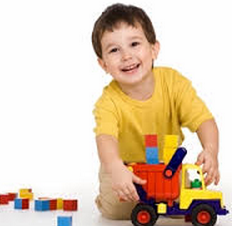
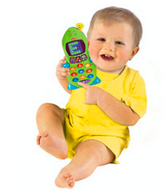
As an infant, your child may have "played" with toys by shaking, banging, or throwing them. Your toddler now is aware of the function of objects, so is more likely to stack blocks, listen or talk into a toy phone, or push a toy car.

Games that your child might enjoy include peekaboo and chasing games. Toddlers are fascinated with housework. Provide toys that will encourage this, such as spoons to play with while you're cooking.

Other toys that toddlers enjoy include:


· Brightly colored balls

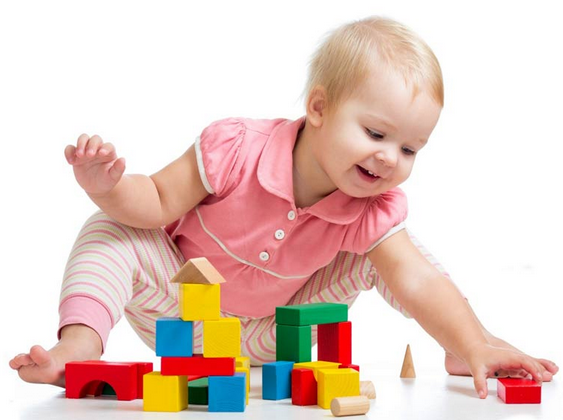
· Blocks, stacking and nesting toys


. Listen or talk into a toy phone


· Fat crayons or markers

· Animal or people figures and dolls


· Toy cars and trains

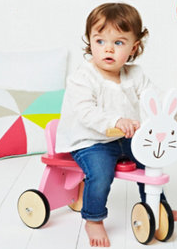
. Push, pull, and riding toys


Thursday, 18 June 2015

Toys for 0-12 Months

As a Parents who is nearing the end of baby’s first year always looking for toys that will promote children’s overall development .

Here is few criteria in making this list:

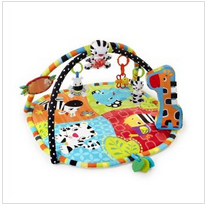
1. Baby gym 


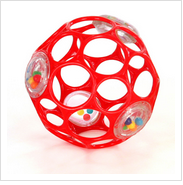
2. Big ball with rattle 


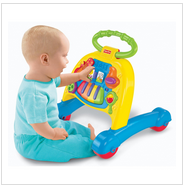
3. Toy for sitting, standing, and walking 


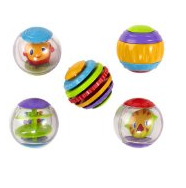
4. Small rattle balls

Remember, too, that as great as toys are these days, YOU are your baby’s best teacher. Your interaction with baby is more valuable and life changing than any toy.  

For more toys you can visit on following URL 


Wednesday, 17 June 2015

As a result of playing a child can


  •  Acquire new social and academic skills
  •  Gain self-confidence
  •  Become better communicators
  •  Become more thoughtful and analytical
  •  Become better listeners
  •  Enjoyment, fun, love of life
  •  Relaxation, release of energy, tension reduction
  •  Self-expression.
  • Attention Regulation
  • Concentration
  • Persistence

Tuesday, 16 June 2015

Things To Remember While Buying Toys For Children


Understanding the toy selection process, the proper use of toys and games as play products, and how these tools can positively impact the learning, reading, math, science and experiential processes is a goal worth pursuing.


Things To Remember While Buying Toys For Children
  • Look for toys as per the age.
  • Don't repeat the toys.
  • Read toy instructions before buying the toy to ensure that instructions are clear and review warnings.
  • Before purchasing a toddler toy, consider how many batteries it takes. The cost of replacing batteries adds up fast.
  • Buy educational toys that require directions, cooperation and rules are important in learning, sharing and social skills.
  • After buying these toys, keep all toys, especially plush and soft baby toys, away from heat sources like stoves, fireplaces and heaters - they could catch fire and burn your child.
  • Look for toys that let the child “tell the story”so that kids can enjoy with the toy
  • Check toys often for hazards like loose parts, broken pieces or sharp edges, and repair or discard any weak or broken toys.
  • Always Keep clean of baby's all toys.
  • How much physical or emotional damage can your child do to another child with the toy?
  • Good toys engage your child's interest and passion for fun, while they develop his physical, mental, and emotional self.


Look for toys that fit your child's interests, and then add some surprises to expand his world.